
Now that you’ve decided that documenting your life matters to you, the next question is how to make it actually happen. (If you missed the first in the series you can read it here.) For me, the biggest barrier was not intention. It was access.
Making a Space for Your Camera
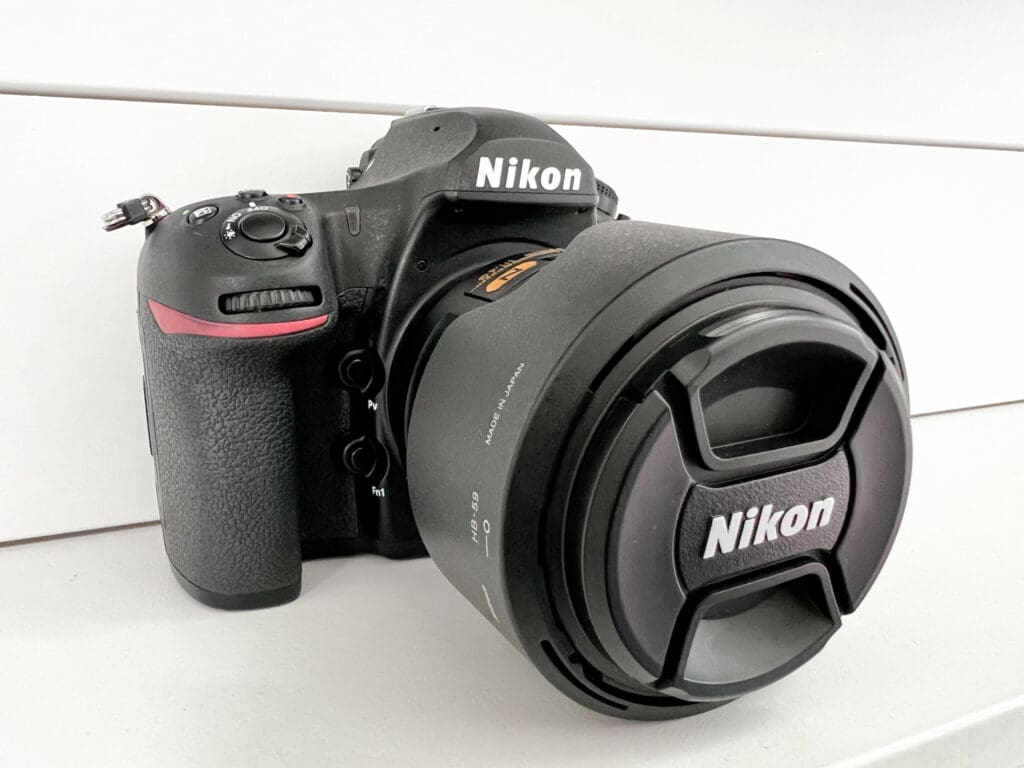
For a long time I knew I wanted to take more photos but rarely did. It was not because I forgot or did not care. My camera simply was not nearby. When a moment happened, it felt like too much effort to go find it, so I would grab my phone or skip the photo altogether.
The solution was simple. I made my camera easier to reach.
Instead of keeping it tucked away in a bag, I gave it a place in our home. Usually, it lives on the mantle where it is visible and easy to grab, but still out of reach of little hands. In our previous house, it lived on the kitchen counter. The exact spot does not matter. What matters is choosing a place you pass often so taking a photo feels natural instead of disruptive.
Start With What You Have
I love my DSLR, but I also love phone photos. Smart phone cameras have come a long way, and many of the same principles apply no matter what you are using. A photo taken on your phone is far better than a moment missed because you did not have your camera with you.
For me, my goal was not to replace phone photos, but to be more intentional about pulling out my camera when I could. That balance works for my life right now. Yours may look different, and that is okay.
What Is Worth Photographing
We are part of the first generation with the ability to document our lives almost without limitation. That is a gift, but it can also feel overwhelming. When everything is possible, it can be hard to know where to start.
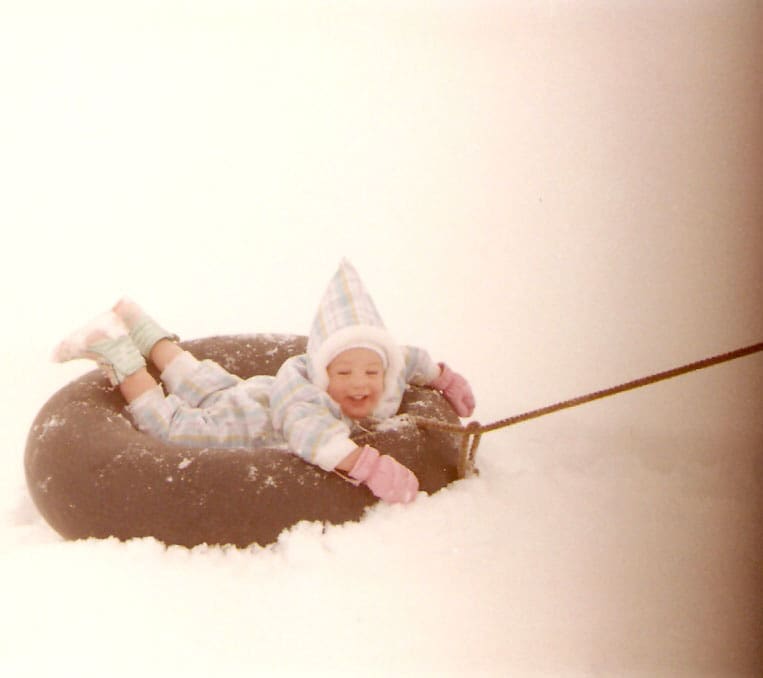
I often think about the moments I wish I could see from my own childhood or from generations before me. Not just birthdays and holidays, but the in-between moments. The way a room was decorated. A favorite toy. A quiet afternoon together.
These are the moments I gravitate toward now. Snuggles while reading. Kids playing well together. Baking with grandparents. Ordinary moments that may feel routine, but say everything about this season of life.
Finding a Rhythm That Works
Some people thrive with structured projects like taking one photo every day or documenting a full day hour by hour. If that sounds exciting to you, try it. If it sounds stressful, you have your answer.
There’s no right frequency. The only goal is to find something that fits your life. Some weeks I take a lot of photos. Other weeks I take very few. Both are fine.
The key is to removing pressure so documenting life feels like something you want to do, not something you are failing at.
Today’s Takeaway
Think about where friction exists for you. Is your camera hard to access? Do you feel unsure about what is worth photographing? Could a small shift make it easier?
Start there. Carry your phone with intention. Set your camera somewhere visible. Take a few photos, then put it away and enjoy the moment.
Next, we will talk about what to do with all of those images once you have them.
Read the rest of the Heritage series here:
Part 1: How to Take, Organize, and Print your Personal Photographs: Family Heritage Series Part 1
Organizing Your Digital Photos: Family Heritage Series Part 3
Backing Up and Protecting Your Photos: Family Heritage Series Part 4
Printing Your Professional Photos: Family Heritage Series Part 5




+ COMMENTS
add a comment